Avoiding the Fermentation of a New Monoculture

wenSymes / One Earth News Page
Avoiding the Fermentation of a New Monoculture
Prof. Wen Shan Yew, founder of wenSymes, on how precision fermentation can scale without recreating the vulnerabilities of industrial agriculture — his contribution to the One Earth Voices feature, July 2026
Published 25 July 2026 · News
Why This Conversation Matters
Producing nutritious protein for a growing global population, without asking more of an already strained planet, is one of the defining sustainability challenges of this century. The July 2026 issue of One Earth examines how alternative proteins can contribute to that shift while avoiding unintended environmental, economic and social consequences. As the field moves from laboratory promise toward commercial scale, success will depend not only on technological innovation, but also on governance, nutrition, resilience and responsible scaling.
A Global Conversation in One Earth


Published by Cell Press, One Earth is an interdisciplinary journal dedicated to sustainability science. Its Voices feature, “Scaling Alternative Proteins for Net Benefits,” brings together researchers and industry leaders examining regulation, nutrition, consumer acceptance and production systems — rather than promoting a single solution, the collection highlights complementary ideas needed to build resilient food systems.
Prof. Yew’s Contribution
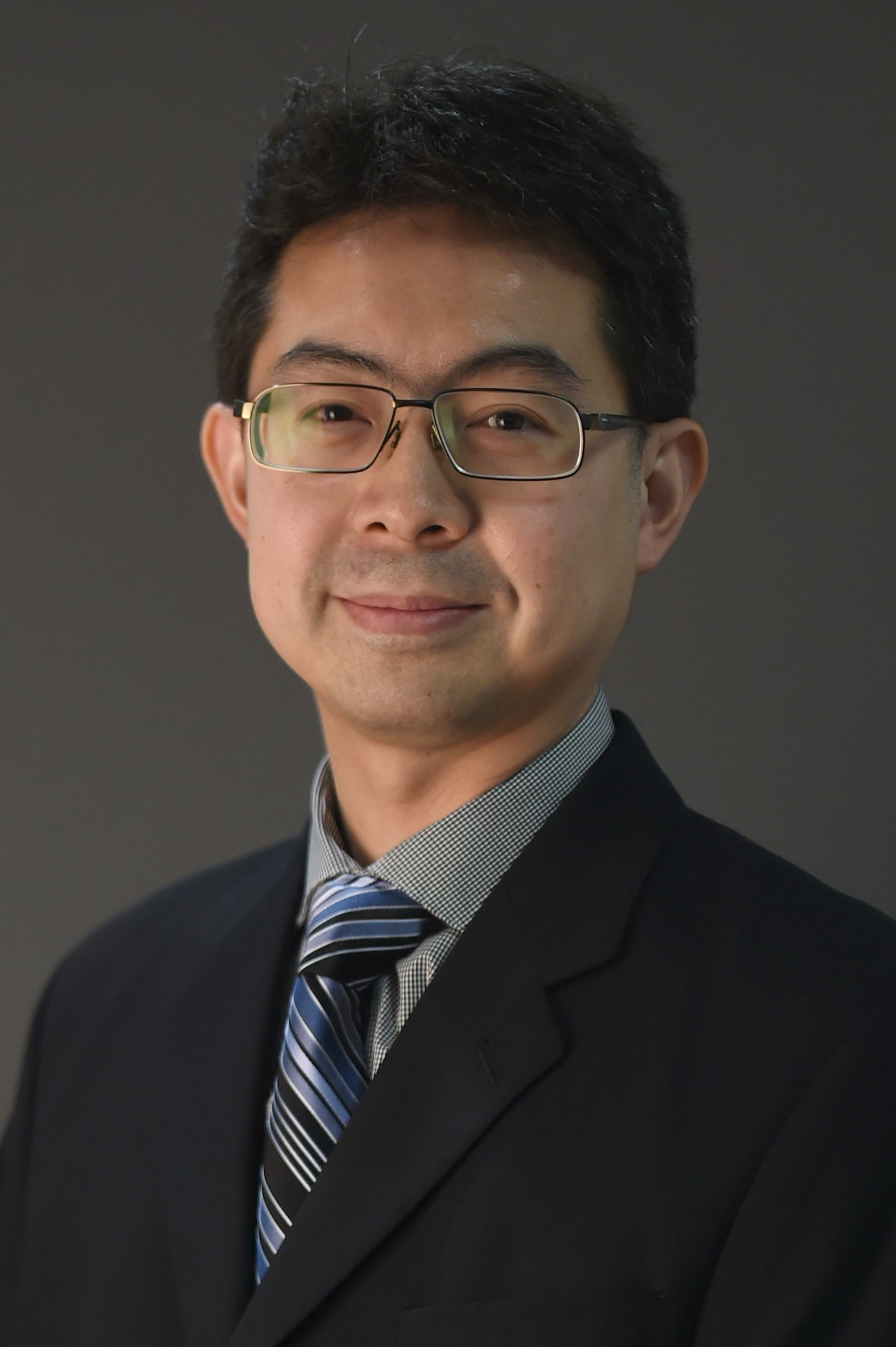
Prof. Wen Shan Yew, Professor and Head of the Department of Biochemistry at the National University of Singapore (NUS) and Founder of wenSymes, contributes the essay “Avoiding the Fermentation of a New Monoculture.” Precision fermentation is often presented as a clean break from industrial agriculture: grow protein in a bioreactor, spare land and livestock. Yet many current production systems still rely on refined glucose derived from corn and sugarcane monocultures — and feedstocks alone can account for more than half of production cost. As production converges around a limited number of microbial chassis, sugar sources and centralized facilities, the sector risks recreating the vulnerabilities it set out to solve: input dependency, biological uniformity and market concentration.
A Different Path Forward
Prof. Yew argues that synthetic biology offers an opportunity to redesign precision fermentation before these patterns become entrenched. He advocates engineering microbial hosts capable of utilizing one-carbon and waste-derived feedstocks — including carbon dioxide (CO₂), methane, formate and food-industry side-streams — in place of first-generation sugars. Gas-fermenting microbes that convert captured carbon into protein already exist; the priority is to expand their practical use. He also highlights the importance of diversifying microbial production platforms and supporting distributed, regionally owned manufacturing that improves resilience while keeping value closer to local communities.
The throughline is straightforward: decoupling food production from land accomplishes little if it simply recouples it to industrial sugar. Built around circular carbon, biological diversity and regional resilience from the outset, precision fermentation can become a genuine planetary-health advance rather than an efficiency story that reproduces the weaknesses it was meant to replace.
Key Themes
| Key Themes | Descriptions |
|---|---|
| Rethinking Feedstocks | Move beyond dependence on refined agricultural sugars toward circular carbon and waste-derived resources. |
| Diversifying Production Platforms | Expand microbial chassis rather than relying on a small number of standardized organisms. |
| Building Regional Resilience | Encourage distributed, regionally owned manufacturing that strengthens local capability and reduces concentration. |
| Designing for Planetary Health | Measure success through resilience and long-term system performance, not production efficiency alone. |
From Research to Industry
These themes closely align with wenSymes’ broader focus on precision biomanufacturing, synthetic biology and sustainable manufacturing. Prof. Yew’s research at NUS spans synthetic biology, enzyme engineering and metabolic engineering. Through wenSymes, he is translating that expertise into precision biomanufacturing technologies built around the same principle raised in his One Earth contribution: diversified, resilient production systems rather than dependency on a narrow set of inputs. His experience bridging fundamental biochemistry and applied biomanufacturing gives this perspective particular weight in the broader conversation.
Continue the Conversation
Prof. Wen Shan Yew’s perspective is one contribution within the Voices feature “Scaling Alternative Proteins for Net Benefits,” published alongside commentary, research and interviews in the July 2026 issue of One Earth. Read the full discussion below.
One Earth Journal — cell.com/one-earth/home
July 2026 Issue — cell.com/issue/S2590-3322(25)X0008-7
Voices Feature: Scaling Alternative Proteins for Net Benefits — cell.com/one-earth/fulltext/S2590-3322(26)00178-8
wenSymes — wensymes.com